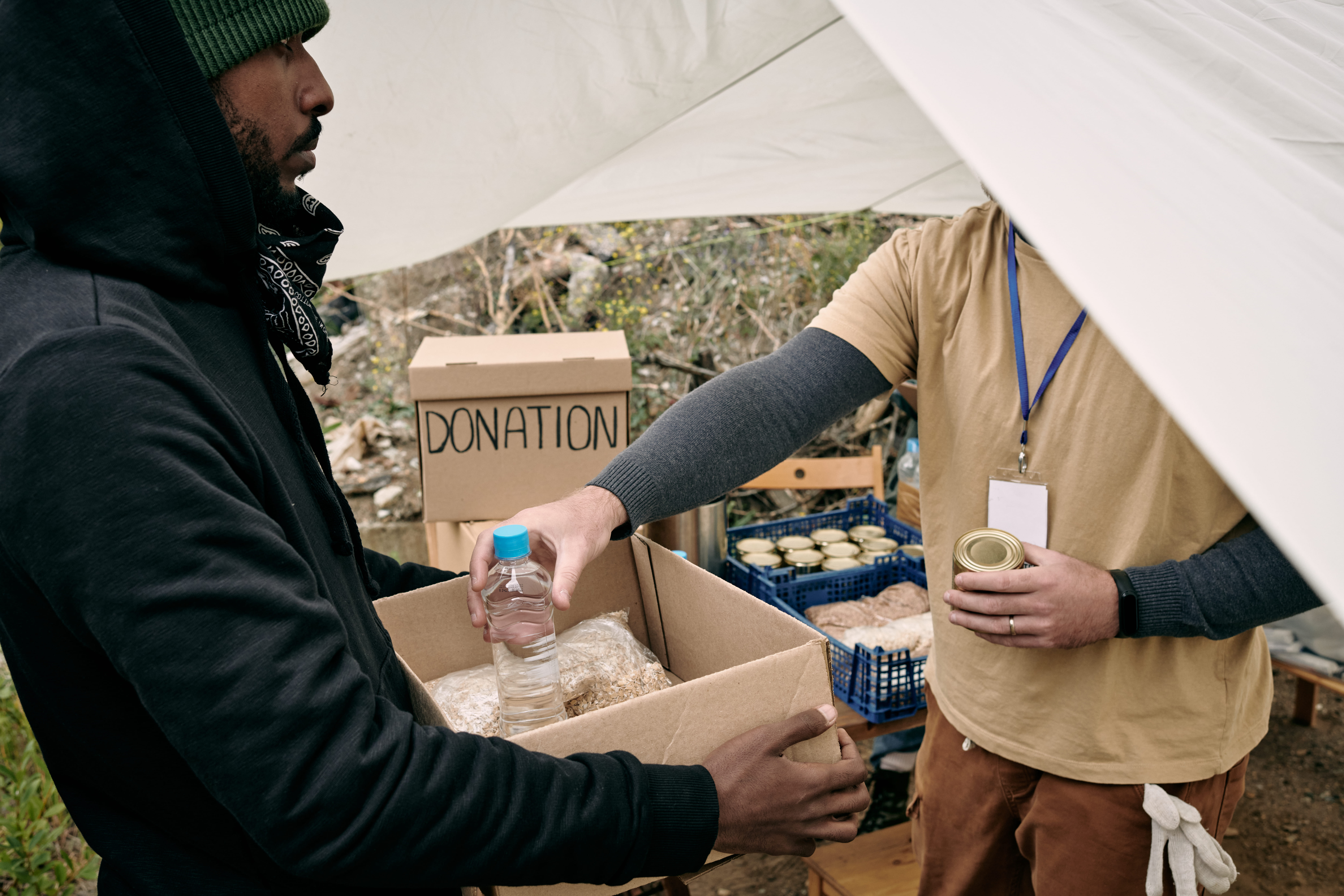
Food insecurity is a significant issue in the United States, impacting millions of individuals and families each year. It is defined as the lack of consistent access to enough nutritious food for an active and healthy life, and it affects people of all ages, races, and backgrounds. The COVID-19 pandemic exacerbated food insecurity as millions lost their jobs or had their incomes reduced, leading to an increased reliance on food assistance programs.
In response to this crisis, several economic relief bills passed by the U.S. government have provided crucial support to combat food insecurity. These bills have expanded existing programs like the Supplemental Nutrition Assistance Program (SNAP), increased funding for food banks, and provided direct support to low-income families. This article will explore how these relief packages have addressed food insecurity and supported the most vulnerable populations during these challenging times.
1. The Expansion of SNAP Benefits: A Lifeline for Low-Income Families
One of the most important provisions in the relief bills has been the expansion of SNAP benefits, a federal program that helps low-income individuals and families purchase food. SNAP, formerly known as food stamps, provides assistance based on household size, income, and other factors.
Temporary Boost in Benefits
As part of the relief efforts, the government implemented temporary increases in SNAP benefits. For example, the American Rescue Plan Act (2021) provided a 15% increase in SNAP benefits for a period of one year, which allowed eligible families to receive more money to purchase food. This increase was intended to help families cope with the rising costs of groceries and to address the increased demand for food assistance during the pandemic.
-
Impact on Families: For many families, the increased SNAP benefits helped to ensure they could buy enough food to meet their nutritional needs, particularly as food prices spiked and grocery store supply chains were disrupted. The increase in benefits also helped families stretch their budgets to cover other essential expenses, such as rent, utilities, and medical costs.
Emergency Allotments and Pandemic Electronic Benefit Transfers (P-EBT)
In addition to the regular SNAP benefits, some states issued emergency allotments during the height of the pandemic, which temporarily increased the benefit amounts for households. Many states also distributed Pandemic Electronic Benefit Transfers (P-EBT) to families with children who were unable to access school meals due to closures. These temporary benefits helped fill the gap for families that relied on school meal programs for nutrition.
-
P-EBT Programs: P-EBT provided benefits to low-income households with children, compensating for meals that were lost when schools were closed. This was especially important for families who depended on school breakfast and lunch programs to provide nutritious meals to their children.
2. Food Banks: Providing Critical Support to Those in Need
Food banks across the U.S. have long been a critical part of the effort to address food insecurity. These organizations collect, store, and distribute food to low-income individuals and families through a network of local agencies, including pantries, soup kitchens, and shelters.
Federal Funding for Food Banks
The relief bills have included direct funding for food banks, increasing the resources available for these organizations to help those in need. The American Rescue Plan and earlier relief bills provided millions of dollars to food banks and community organizations to help them meet the surging demand for food during the pandemic.
-
Increased Supply and Distribution: With additional funding, food banks were able to secure more food, expand their distribution networks, and provide critical assistance to communities facing heightened need. Many food banks also increased their outreach efforts to ensure they were reaching people who were newly eligible for assistance, such as those who had lost jobs due to the pandemic.
-
Mobile Food Distribution: Some food banks also launched mobile food distribution programs to ensure that food reached people in rural areas or those with limited access to transportation. This was especially important in areas where food insecurity was particularly acute and where traditional food pantries were unable to meet the demand.
The financial support provided by the relief bills helped ensure that food banks could operate at full capacity during a time of unprecedented demand, providing millions of meals to individuals and families in need.
3. Direct Support for Low-Income Families: Stimulus Payments and Child Tax Credits
In addition to food assistance programs, the relief bills also provided direct financial support to low-income families, which indirectly helped alleviate food insecurity by giving households the ability to purchase food and other necessities.
Stimulus Payments
The stimulus payments (also known as Economic Impact Payments) were a cornerstone of the relief bills, offering direct payments to individuals and families. These payments were designed to provide immediate financial relief to those who had lost income or were struggling due to the economic impacts of the pandemic.
-
Increased Purchasing Power: The direct payments, especially for families with children, helped boost the purchasing power of households, allowing them to buy food, pay bills, and meet other essential needs. These payments were especially beneficial for low-income families, many of whom were struggling with job loss or reduced work hours during the pandemic.
Expanded Child Tax Credits
The American Rescue Plan (2021) expanded the Child Tax Credit significantly, providing a larger and more accessible benefit for families with children. This expansion increased the amount of the credit and made it fully refundable, meaning families could receive the credit even if they didn’t owe federal taxes.
-
Monthly Payments: For the first time, the Child Tax Credit was paid out in monthly installments rather than a lump sum, giving families a more consistent source of income. This monthly assistance helped families cover essential expenses, including food, housing, and healthcare, which directly contributed to reducing food insecurity.
The combination of stimulus payments and the expanded child tax credit provided a much-needed financial cushion for low-income families, ensuring they had more resources to address food insecurity and other essential needs.
4. Additional Efforts to Combat Food Insecurity
Beyond SNAP, food banks, and direct financial support, the relief bills included several other provisions aimed at reducing food insecurity in the U.S.
Support for Farmers and Local Food Producers
In some cases, the relief packages included provisions to support local farmers and food producers, helping to stabilize food supply chains that were disrupted by the pandemic. By providing funding to farmers, the government helped ensure that there was enough food available to meet the needs of low-income families.
-
Food Assistance through Farmers' Markets: Some programs helped increase access to fresh, locally grown food by offering incentives or matching funds for low-income individuals and families who used benefits like SNAP at farmers' markets.
Temporary Assistance for Needy Families (TANF)
In addition to food-specific programs, relief bills also provided funding to Temporary Assistance for Needy Families (TANF), which is a federal program designed to help low-income families with children meet basic needs like food, clothing, and shelter.
-
Increased TANF Benefits: Some relief measures included additional funding for TANF, helping states provide more comprehensive financial support to families with children who were struggling with food insecurity and other hardships.
5. The Long-Term Effects of Relief Bills on Food Insecurity
While the temporary measures included in the relief bills have provided crucial assistance, food insecurity remains a persistent problem in the U.S. Long-term solutions will require a more systemic approach to addressing the root causes of poverty, unemployment, and economic inequality. Some policymakers are pushing for permanent expansions to SNAP benefits and other food assistance programs, and there is increasing support for policies that would provide more consistent financial support to families in need.
Conclusion: Addressing Food Insecurity Through Economic Relief
The economic relief bills passed during the COVID-19 pandemic have played a pivotal role in addressing food insecurity in the U.S. By expanding SNAP benefits, providing direct financial support to low-income families, funding food banks, and offering targeted assistance to children and other vulnerable groups, the relief measures have helped millions of Americans access the food they need to stay healthy.
While the temporary expansions and assistance have made a significant difference, the fight against food insecurity will continue. Policymakers and advocacy groups are calling for continued support and long-term solutions that can ensure all Americans have consistent access to nutritious food, regardless of their income level. The relief measures represent a critical step in addressing this issue, but much more work remains to be done to build a food system that works for everyone.